
ANATOLIA
Eastern Anatolia: mountains, landscapes, and culture
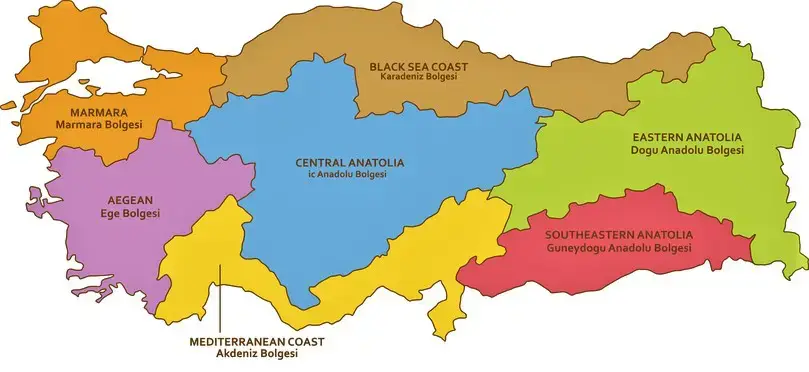
Anatolia refers to the entire Asian part of Turkey, which accounts for about 97% of the country's area. Therefore, the name "Asia Minor" is often used instead of Anatolia. Geographically, Anatolia can be classified as the Turkish sub-area that belongs to the Near East. Twice as large as the Federal Republic of Germany, it stretches across the country and covers a distance of approx. 2,000 km from the Aegean Sea in the west to the Iranian border in the east. On the north-south axis, from the Black Sea coast to the Mediterranean Sea, the span is about 800 km. Although the country has a large area, large parts of Anatolia are only very sparsely populated.
Mountains and geology
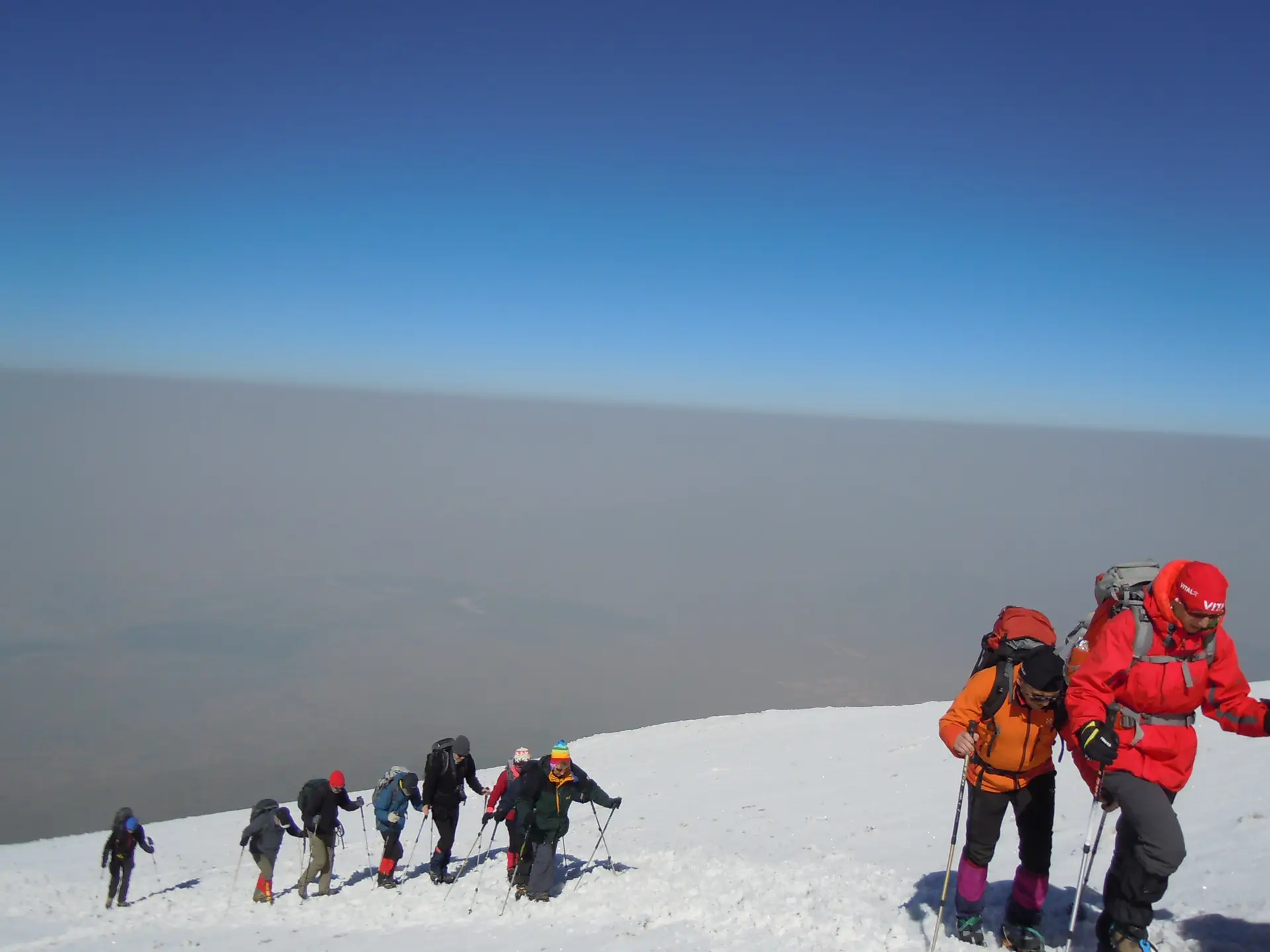
The Anatolian mountain region is mainly determined by the structure of the Taurus Mountains. This is approx. 1,500 km long and characterized by a complex mountain chain system, which mainly extends to the south-west and east of the country. Especially in the east, the mountainous region around Lake Van, the mountains could fan out and offer numerous peaks between 3,000 and 4,000 meters in height. Added to this is the primeval influence of volcanic activity, which formed huge mountain massifs from the highland plains within this region. It was only through these natural phenomena that the highest mountains in Turkey today were created, including Mt. Süphan (4,058 m) and Ararat (5,137 m). Ararat is the country's only 5,000 m peak, surpassing its closest competitor, Uludoruk Tepesi (4,135 m), by just over 1,000 m.
Climate
The climate around the city of Van is characterized by continental influences all year round. This means that the summers are sometimes very warm and dry and the winters are extremely snowy. The temperatures are also subject to strong fluctuations and fall below -30 degrees Celsius in the eastern part of the country. In winter, cold air rushes in, especially from the north, bringing long and heavy snowfalls. This phenomenon is also referred to as "lake effect snow." Thus, the east of Anatolia offers ideal and stable ski touring conditions with lots of snow in the winter months.