Pack for every season
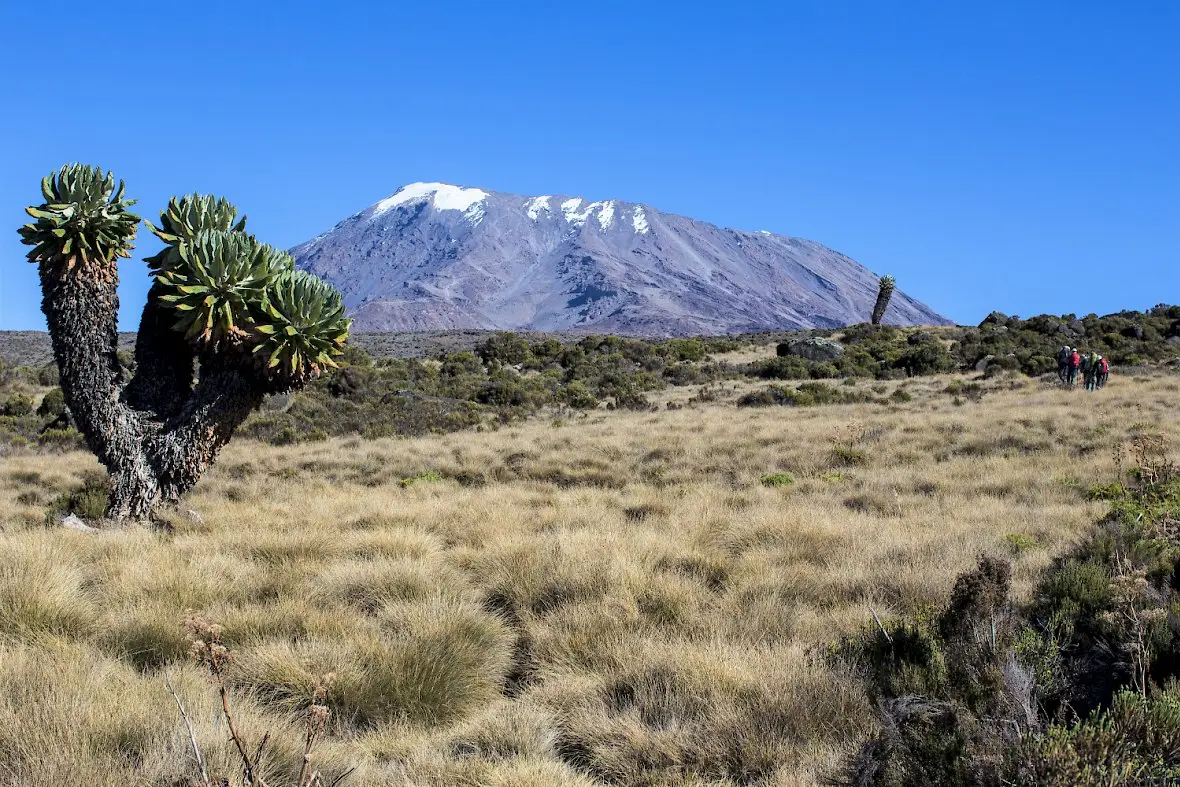
On Kilimanjaro you start in warm, humid rainforest and finish on a summit where temperatures can be well below freezing before sunrise. The answer is layers rather than one heavy jacket.
- Base layers that wick sweat, plus a warm mid-layer fleece
- An insulated down or synthetic jacket for summit night
- Waterproof jacket and overtrousers
- Broken-in waterproof hiking boots
- Warm hat, sun hat, liner gloves, and insulated gloves
- Headlamp with spare batteries
- Sunglasses with good UV protection and high-SPF sunscreen
- Water bottles or a hydration bladder that will not freeze easily
Your daypack versus the duffel
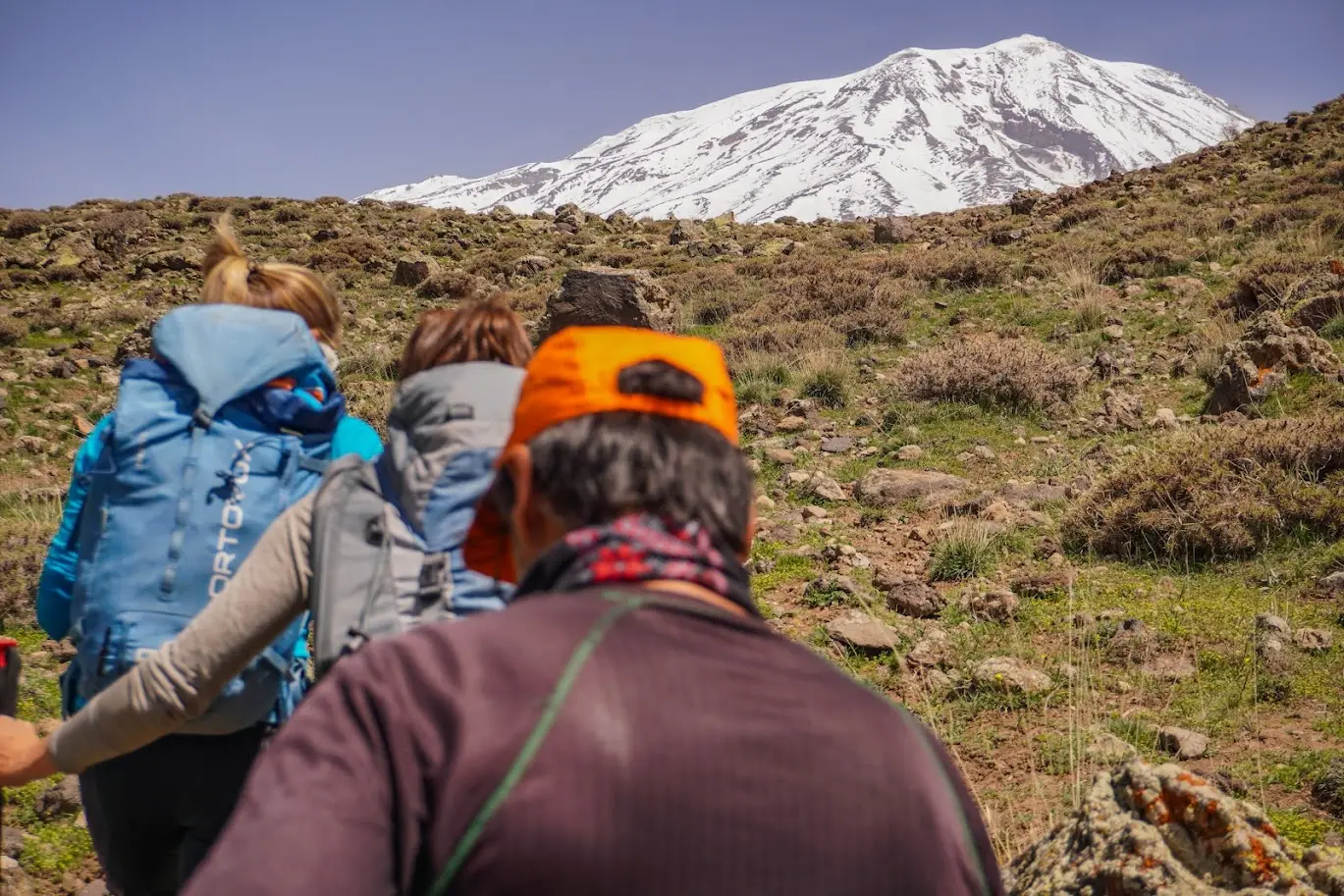
Porters carry your main bag between camps, so it may not be with you during the day. Keep water, snacks, rain gear, a warm layer, sun protection, and personal medication in your daypack.
Check what is included
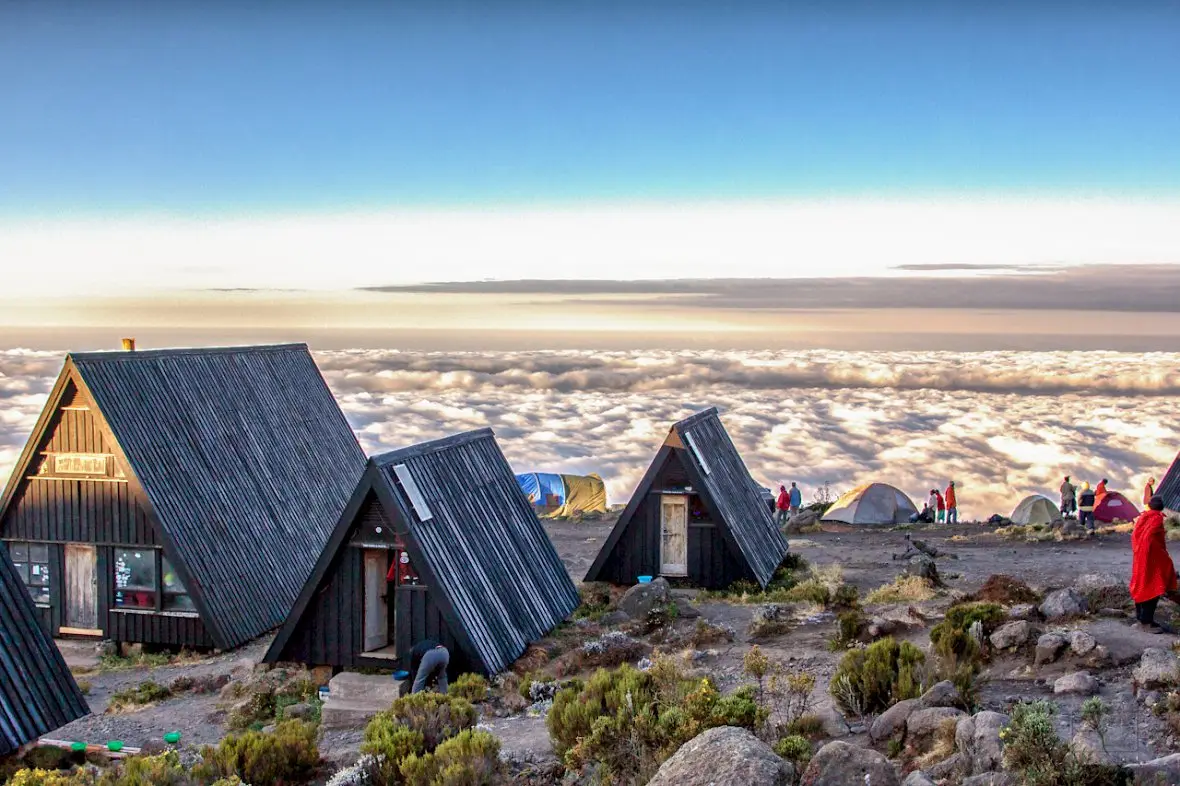
The packing checklist on each Kilimanjaro tour page separates what you bring, what you might consider, and what is provided on that route. Marangu uses huts while Lemosho uses tents, so the lists differ slightly.